
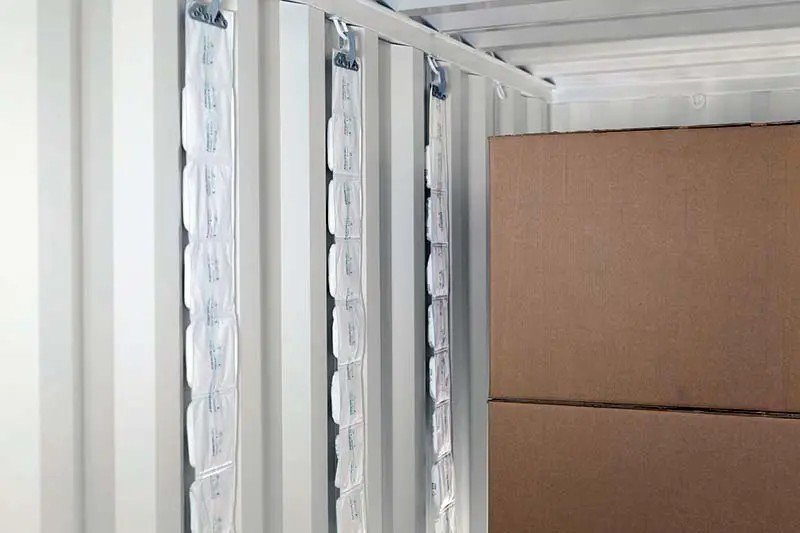
Long-distance transportation exposes products to changing temperatures, humidity, and environmental conditions. These changes can create moisture inside shipping containers. As a result, products may develop mould, rust, corrosion, and unpleasant odours. This can cause financial losses for manufacturers, exporters, and importers. Using Cargo Container Desiccant in Mumbai is an effective way to control excess moisture and protect goods during transportation.
Cargo container desiccants absorb excess moisture from the air inside shipping containers. They help maintain a dry environment throughout the journey. Whether products are transported by sea, road, or rail, moisture protection plays an important role in maintaining product quality.
Parnam Ji Creation provides moisture-control solutions designed to help businesses protect their goods during storage and transportation. Understanding how container desiccants work can help businesses choose the right protection for their shipping requirements.
For fast information, chat with us directly on WhatsApp.
What Is a Cargo Container Desiccant?
A cargo container desiccant is a moisture-absorbing material used inside shipping containers. Its main purpose is to reduce humidity and prevent moisture-related damage to packed products.
During transportation, containers experience temperature fluctuations. Warm air can hold moisture. When the temperature drops, this moisture may condense into water droplets on container walls, ceilings, and cargo packaging. This phenomenon is commonly known as container rain or container sweat.
Desiccants absorb moisture before it causes damage. Therefore, they are particularly useful for businesses transporting moisture-sensitive products over long distances.
Why Is Moisture a Major Problem During Long-Distance Transportation?
Moisture is one of the biggest challenges in international shipping. Shipping containers can travel through different climates and weather conditions. These changes increase the possibility of condensation.
Here are some common problems caused by excess moisture:
1. Rust and Corrosion
Metal products are highly vulnerable to moisture. When water comes into contact with metal surfaces, rust and corrosion may develop. This can affect machinery, automotive components, tools, and industrial equipment.
2. Mould and Fungus Growth
High humidity creates favourable conditions for mould and fungus. These can damage wooden products, textiles, leather goods, and cardboard packaging.
3. Packaging Damage
Cardboard boxes and paper-based packaging can absorb moisture. Consequently, they may become weak, soft, or damaged. This can also affect product stacking and handling.
4. Product Quality Issues
Moisture can change the quality and appearance of certain products. Electronics, chemicals, furniture, and packaged goods may be particularly sensitive to humid conditions.
5. Financial Losses
Damaged shipments can result in customer complaints, rejected deliveries, replacement costs, and delays. Proper moisture control helps businesses reduce these risks.
How Does Cargo Container Desiccant Work?
Cargo container desiccants work by absorbing water vapour from the surrounding air. They help reduce humidity before it reaches the condensation point.
The process generally involves three steps:
- Moisture absorption: The desiccant attracts and absorbs water vapour from the air.
- Moisture retention: Depending on the material, absorbed moisture is held within the desiccant or converted into a gel.
- Humidity control: The desiccant continues absorbing moisture within its capacity, helping maintain a safer environment for stored goods.
Some commonly used materials include silica gel, activated clay, and calcium chloride. Calcium chloride-based products are particularly useful for container applications because of their high moisture absorption capacity.
Key Benefits of Using Cargo Container Desiccant in Mumbai
Businesses involved in exports and imports need reliable moisture protection. Using Cargo Container Desiccant in Mumbai offers several advantages.
1. Protects Products from Moisture Damage
Desiccants absorb excess humidity and help prevent water droplets from forming inside containers. This reduces the risk of damage to sensitive products.
2. Prevents Container Rain
Container rain occurs when moisture condenses on the container ceiling and walls. Desiccants help reduce airborne moisture and lower the risk of condensation.
3. Maintains Packaging Quality
Moisture can weaken cardboard boxes, paper packaging, and wooden materials. Proper moisture control helps maintain packaging strength during transportation.
4. Supports International Shipping
Export shipments may travel through different weather conditions. Container desiccants provide additional protection during long-distance transportation by sea, road, and rail.
5. Reduces Financial Losses
Moisture-related damage can increase replacement costs and lead to rejected shipments. Using suitable desiccants helps businesses minimise these risks.
Which Industries Need Cargo Container Desiccants?
Several industries require moisture protection to maintain product quality during transportation.
Some important examples include:
- Automotive Industry: Protects metal components, spare parts, and machinery from rust and corrosion.
- Textile Industry: Helps protect fabrics, garments, and leather products from mould and moisture.
- Electronics Industry: Supports moisture protection for electronic components and sensitive equipment.
- Food Packaging Industry: Helps control excess humidity around properly packaged dry goods.
- Chemical Industry: Helps protect moisture-sensitive chemicals and industrial materials.
- Furniture Industry: Reduces the risk of moisture-related damage to wooden furniture and packaging.
The correct desiccant depends on the product, packaging, shipping duration, and expected environmental conditions.
How to Choose the Right Cargo Container Desiccant?
Selecting the right desiccant is important for effective moisture protection. Businesses should consider several factors before making a decision.
1. Type of Cargo: Identify whether the shipment contains metal products, textiles, electronics, food packaging, or other moisture-sensitive materials.
2. Transportation Duration: Longer transportation periods may require greater moisture absorption capacity.
3. Container Size: The size of the shipping container affects the quantity and distribution of desiccants required.
4. Weather Conditions: Humid environments and changing temperatures can increase condensation risks.
5. Absorption Capacity: Compare the moisture absorption capacity and retention mechanism of different desiccant materials.
For better results, businesses should also ensure that products, pallets, and packaging materials are dry before loading. Desiccants cannot compensate for heavily wet cargo or leaking containers. They should be used as part of a complete moisture-control strategy.
Why Choose Parnam Ji Creation for Moisture Protection Solutions?
Choosing an appropriate moisture-control solution is important for businesses involved in manufacturing, packaging, and transportation.
Parnam Ji Creation focuses on moisture-control and desiccant-related solutions for different industrial requirements. Understanding the moisture sensitivity of products helps businesses identify suitable protection options.
Whether you are transporting industrial equipment, packaged goods, textiles, or other products, selecting the right desiccant can help reduce moisture-related risks.
Businesses looking for Cargo Container Desiccant in Mumbai should consider product quality, absorption capacity, packaging requirements, and transportation conditions before selecting a solution.
Conclusion
Moisture control is an important part of safe and successful cargo transportation. Temperature changes, humidity, and condensation can damage products during long-distance journeys. Cargo container desiccants help absorb excess moisture and reduce the possibility of container rain, rust, mould, and packaging damage.
For exporters, importers, and manufacturers, choosing suitable Cargo Container Desiccant in Mumbai can help protect shipments and maintain product quality. Combining desiccants with dry packaging, proper container inspection, and suitable loading practices provides better moisture protection throughout transportation.
Parnam Ji Creation aims to help businesses understand moisture-control requirements and choose appropriate desiccant solutions for their applications.
Frequently Asked Questions (FAQs)
1. What is a cargo container desiccant used for?
A cargo container desiccant is used to absorb excess moisture inside shipping containers. It helps prevent condensation, mould, rust, and other moisture-related damage during transportation.
2. How does a cargo container desiccant prevent container rain?
It absorbs water vapour from the air inside the container. This helps reduce humidity and lowers the chances of moisture condensing on the container ceiling and walls.
3. Which type of desiccant is best for shipping containers?
Calcium chloride-based desiccants, silica gel, and activated clay are commonly used. The right option depends on cargo type, humidity levels, transportation duration, and required absorption capacity.
4. How many desiccants are required for a shipping container?
The required quantity depends on container size, cargo moisture content, packaging, weather conditions, and journey duration. Manufacturers or moisture-control specialists can help determine the appropriate quantity.
5. Where can businesses find Cargo Container Desiccant in Mumbai?
Businesses can explore moisture-control and desiccant solutions from Parnam Ji Creation. They should discuss their cargo type, packaging, and transportation requirements to identify a suitable product.
