
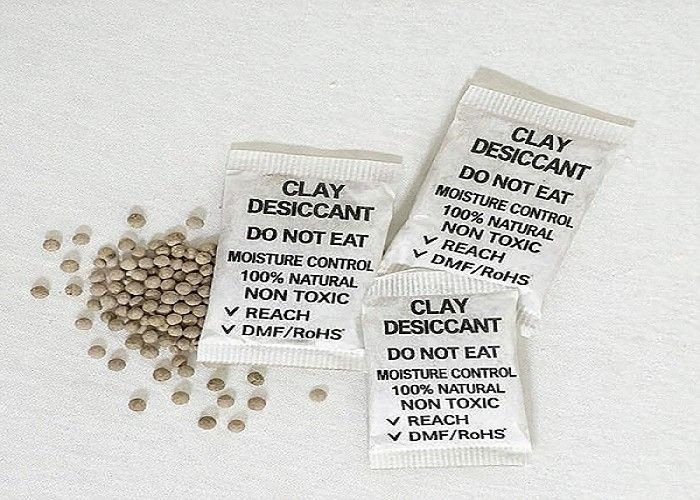
Moisture can damage products during storage, packaging, and transportation. It can cause rust on metal parts, mould on certain materials, and deterioration of sensitive goods. Clay Desiccant Bags in Hyderabad offer a practical solution for controlling excess moisture inside packaging. These bags contain moisture-absorbing clay that helps protect products from humidity and condensation.
For fast information, direct chat with us on WhatsApp.
Businesses across manufacturing, electronics, textiles, pharmaceuticals, and logistics often need reliable moisture protection. Choosing the right desiccant can help maintain product quality and reduce avoidable damage. Parnam Ji Creation provides moisture-control packaging solutions for businesses looking to protect their products during storage and transit.
What Are Clay Desiccant Bags?
Clay desiccant bags are small packets filled with absorbent clay. Their primary purpose is to capture water vapour from the surrounding air. This helps maintain a drier environment inside sealed packaging, containers, and storage spaces.
The clay used in these bags is commonly a natural mineral, such as bentonite clay. Its porous structure allows it to absorb moisture from the air.
Unlike ordinary packaging materials, clay desiccants actively help control humidity. They are available in different sizes and filling capacities to suit various packaging requirements.
Businesses searching for Clay Desiccant Bags in Hyderabad can consider them for applications where humidity control is important for product protection.
How Do Clay Desiccant Bags Protect Products from Moisture?
Clay desiccant bags work by absorbing water vapour from the air surrounding the packed product. This process helps reduce humidity within an enclosed space.
Here is how they provide protection.
1. Absorbing Excess Moisture
Clay desiccants naturally attract and retain moisture. When placed inside suitable packaging, they absorb water vapour from the surrounding air.
This helps create a drier environment for the packed goods. The amount of moisture absorbed depends on the clay type, bag size, temperature, and relative humidity.
2. Reducing the Risk of Corrosion
Metal products can develop rust when exposed to moisture and oxygen. This is a common concern for industrial components, automotive parts, machinery, and metal tools.
Clay desiccant bags help reduce the moisture available inside packaging. As a result, they can lower the risk of moisture-related corrosion when used correctly.
However, desiccants should be part of a complete packaging strategy. Protective coatings, suitable packaging materials, and proper sealing may also be necessary.
3. Helping Prevent Mould and Mildew
Excess humidity can encourage mould and mildew growth on susceptible materials. This may affect textiles, leather goods, paper products, and other moisture-sensitive items.
Clay desiccants help control humidity inside appropriately sealed packaging. This can reduce conditions that support moisture-related damage.
However, desiccants do not remove existing mould or replace proper cleaning and storage practices.
4. Protecting Products During Transportation
Products often travel through different climates and temperature conditions. These changes can increase the risk of condensation inside packaging.
Clay desiccant bags help absorb water vapour and support moisture control during transportation. They can be useful in shipping cartons, storage containers, and export packaging.
For businesses transporting goods over long distances, selecting the correct desiccant capacity is essential.
Which Industries Use Clay Desiccant Bags?
Clay desiccants serve many industries because moisture can affect products in different ways. Their suitability depends on the material being protected and the expected storage conditions.
Electronics and Electrical Components
Electronic components may be sensitive to moisture during storage and shipping. Excess humidity can contribute to corrosion and, in certain circumstances, moisture-related manufacturing or performance problems.
Clay desiccant bags can help maintain suitable humidity conditions inside protective packaging. The correct packaging system should match the sensitivity of the electronic components.
Automotive and Engineering Industries
Automotive parts, metal fasteners, tools, and precision-engineered components may require protection from humidity during storage and transit.
Clay desiccants can help reduce moisture exposure inside sealed packages. This is particularly useful when components are shipped across regions with varying weather conditions.
Textile and Garment Packaging
Fabrics and garments can absorb moisture from humid air. Prolonged exposure may lead to unpleasant odours, mildew, or other quality concerns.
Desiccant bags can help manage excess humidity inside suitable packaging. Businesses should also ensure that products are dry before packing.
Pharmaceuticals and Healthcare Packaging
Some pharmaceutical and healthcare products require carefully controlled moisture conditions. The appropriate desiccant depends on the product’s stability requirements and packaging specifications.
Clay desiccants may be suitable for certain applications. However, businesses should verify compatibility with the product and applicable regulatory requirements before selecting a moisture-control solution.
Leather Goods and Footwear
Leather products, shoes, bags, and accessories may be affected by moisture during storage and shipping. Proper packaging helps maintain their condition.
Clay desiccant bags can support moisture control when used with suitable packaging and storage practices.
Benefits of Choosing Clay Desiccant Bags in Hyderabad
Businesses need packaging solutions that balance product protection, cost, and ease of use.
Here are some important benefits of using clay desiccants.
- Effective moisture control: They absorb water vapour and help reduce humidity in enclosed packaging.
- Versatile applications: They can be used for suitable industrial, commercial, and consumer product packaging.
- Convenient handling: Their compact size makes them easy to include in cartons, boxes, and containers.
- Support for product quality: Proper moisture management helps reduce the risk of certain forms of moisture-related damage.
- Practical packaging integration: They can be incorporated into existing packaging processes when the application permits.
When comparing Clay Desiccant Bags in Hyderabad, businesses should evaluate absorption capacity, bag dimensions, packaging requirements, and the expected humidity levels.
How to Choose the Right Clay Desiccant Bags
Selecting the correct desiccant is important for achieving effective moisture control. A bag that is too small may not absorb enough moisture to protect the product throughout storage or transportation.
Consider these factors before purchasing.
1. Product Type
Identify the materials that need protection. Metal parts, textiles, electronics, and other products may have different moisture-control requirements.
2. Packaging Size
The volume of air inside the package affects the amount of desiccant required. Larger packages may need greater absorption capacity.
3. Storage and Shipping Conditions
Consider the expected temperature, humidity, transportation duration, and possibility of condensation. These factors influence desiccant performance.
4. Absorption Capacity
Check the manufacturer’s stated absorption capacity and recommended usage. Choose a quantity appropriate for the product and packaging conditions.
5. Packaging Compatibility
Ensure the desiccant bag material is suitable for the application. The packet should remain intact and should not contaminate the product.
Businesses with specialised requirements should consult their packaging supplier before finalising a solution.
Why Choose Parnam Ji Creation for Moisture-Control Packaging?
Choosing a suitable moisture-control product involves more than simply placing a packet inside a box. Businesses must consider the type of goods, packaging design, shipping conditions, and required protection period.
Parnam Ji Creation supports businesses looking for packaging solutions suited to their product requirements. When evaluating desiccant options, businesses should confirm the available sizes, specifications, and recommended applications with the supplier.
For companies sourcing Clay Desiccant Bags in Hyderabad, selecting a suitable product can help improve packaging practices and reduce the risk of avoidable moisture damage.
A well-planned moisture-control strategy can also support better product handling throughout the supply chain.
Best Practices for Using Clay Desiccant Bags
To get the most from clay desiccants, follow a few practical guidelines.
- Pack products only after they are sufficiently dry.
- Use suitable moisture-barrier packaging when required.
- Select the correct desiccant quantity for the package and storage conditions.
- Keep unused desiccant bags sealed until they are needed.
- Follow the supplier’s instructions for handling and storage.
- Avoid opening sealed packaging unnecessarily in humid environments.
Remember that clay desiccants have a finite moisture absorption capacity. They may need replacement if their capacity is exhausted or if packaging is exposed to excessive moisture.
Conclusion
Moisture can affect product quality, appearance, performance, and storage life. Clay desiccant bags provide a practical way to absorb water vapour and help maintain a drier environment inside suitable packaging.
From metal components and electronics to textiles and leather goods, these bags can support moisture protection across many industries. However, the right solution depends on product sensitivity, packaging design, and environmental conditions.
Businesses considering Clay Desiccant Bags in Hyderabad should focus on absorption capacity, product compatibility, and the expected storage or transportation environment. With suitable product selection and proper packaging practices, Parnam Ji Creation can help businesses explore moisture-control solutions for their packaging needs.
Frequently Asked Questions
1. What are clay desiccant bags used for?
Clay desiccant bags absorb water vapour from the surrounding air. They are used in suitable packaging to help protect products from excess humidity during storage and transportation.
2. How do clay desiccant bags prevent moisture damage?
They absorb moisture from the air inside an enclosed package. This helps reduce humidity and may lower the risk of corrosion, mould, and other moisture-related damage.
3. Which industries can use clay desiccant bags?
Industries such as automotive, electronics, engineering, textiles, footwear, and certain pharmaceutical applications may use clay desiccants, depending on their product and packaging requirements.
4. How many clay desiccant bags should I use in a package?
The required quantity depends on package volume, initial moisture, packaging permeability, storage duration, humidity, and the desiccant’s absorption capacity. Follow the manufacturer’s recommendations for the specific application.
5. Are clay desiccant bags reusable?
Some clay desiccants may be regenerated under specific conditions, but not every product is designed for reuse. Check the manufacturer’s instructions before attempting regeneration or reuse.